
Oil Tank Removal, Replacement & Installation
on Long Island
Whether you need an oil tank removed, replaced, or installed, Dole Service handles it all. We work with above-ground residential tanks on Long Island, from 275-gallon singles to multi-tank setups.
Oil Tank Removal on Long Island
When it's time to take out an old oil tank, Dole Service handles the entire process from start to finish. Whether you're upgrading to a newer model, relocating your tank, or decommissioning a tank that's no longer in use, we make oil tank removal straightforward and hassle-free for Long Island homeowners.
Our above-ground residential oil tank removal process follows a careful sequence designed to protect your property and ensure everything is done safely:
- Drain remaining fuel Before anything else, we pump out any heating oil left in the tank. Remaining fuel is disposed of responsibly. We do not recommend transferring old fuel to a new tank, as it may carry contaminants and sediment that can void the new tank's manufacturer warranty
- Disconnect fuel lines We carefully disconnect the copper fuel lines running from the tank to your burner, as well as the fill and vent pipes. All connections are capped to prevent any leaks during the removal process
- Safely remove the tank The tank is carefully extracted from its location, whether it's sitting in your basement, garage, or alongside your home outdoors. We take precautions to protect floors, walls, and doorways during removal
- Dispose of the old tank properly Used oil tanks can't go in the trash. We transport and dispose of your old tank in accordance with local regulations, so you don't have to worry about it
When Is Oil Tank Removal Needed?
There are several common situations where homeowners on Long Island need oil tank removal:
- Upgrading to a double-wall tank Many homeowners are replacing older single-wall steel tanks with modern double-wall models like Roth tanks that offer built-in leak protection. The old tank needs to come out first
- Switching to a different tank location Moving your tank from outdoors to indoors (or vice versa) requires removing the existing tank and installing the new one in the desired location
- Decommissioning unused tanks If you've converted to a different heating system or simply have an old tank sitting unused, removing it frees up space and eliminates any risk of leaks from a deteriorating tank
- Selling your home Home inspectors and buyers often flag old or deteriorating oil tanks. Removing and replacing a problem tank before listing can prevent delays during the sale process
Dole Service handles above-ground residential oil tank removal across Long Island's North Shore. If you have a tank that needs to come out, call us at (631) 261-7729 for a free estimate. We'll assess your situation and give you a clear picture of what the job involves.
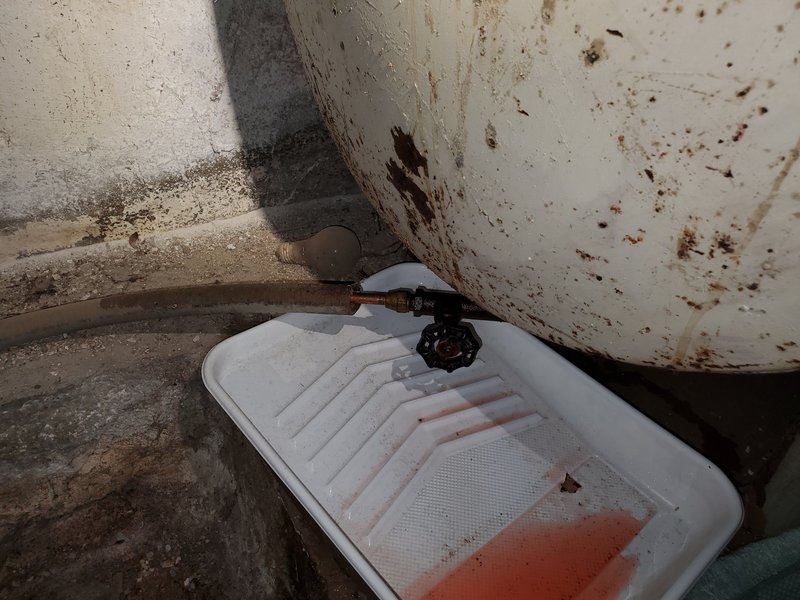
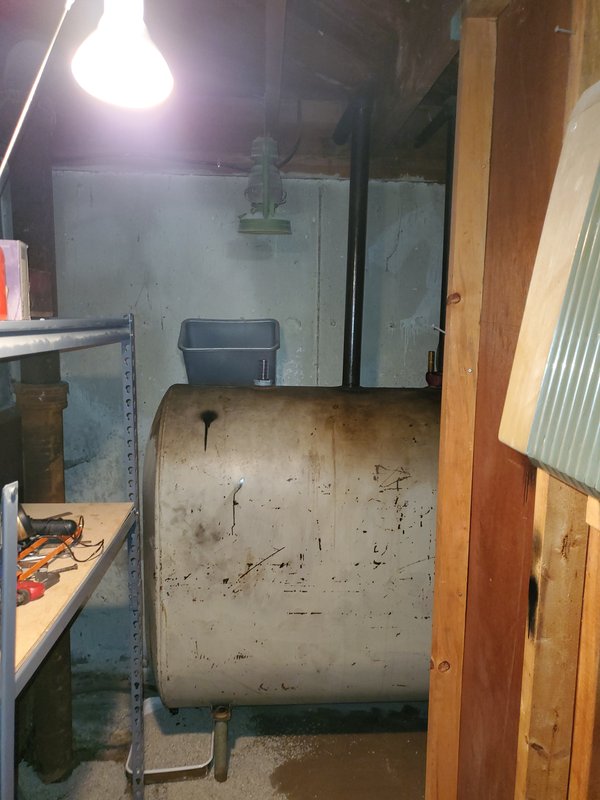
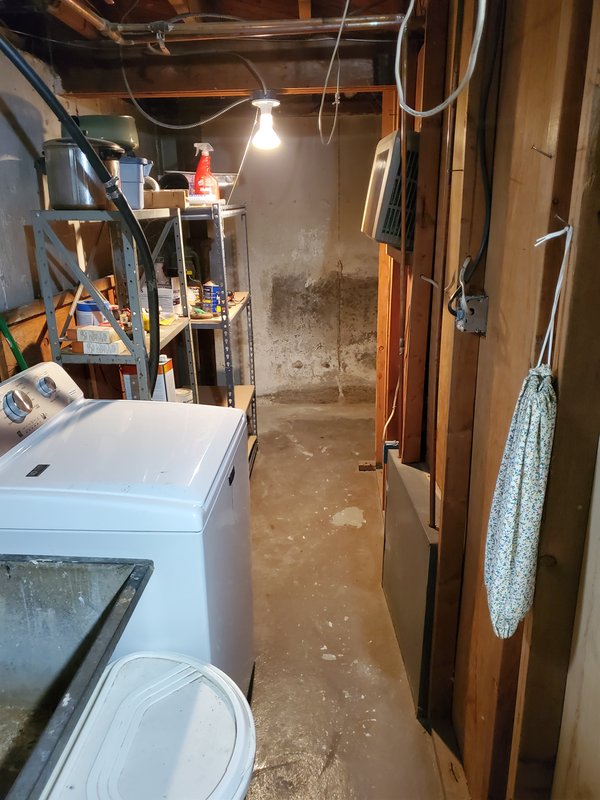
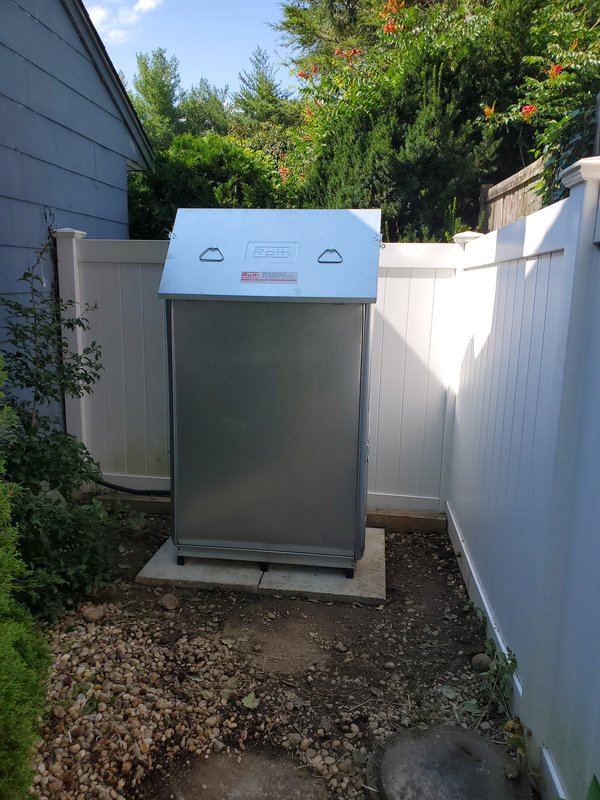
A Recent Tank Replacement
Oil Tank Replacement
An oil tank doesn't last forever. Over time, steel corrodes from the inside out, welds weaken, and what was once a reliable storage vessel becomes a liability. Oil tank replacement is one of the most important maintenance decisions a homeowner with oil heat will face, and getting it done proactively, before a failure, saves significant time, money, and stress.
When to Replace Your Oil Tank
Several signs indicate it's time for an oil tank replacement:
- Tank is over 15–20 years old Most single-wall steel tanks have a practical lifespan of 15 to 20 years. Even if your tank looks fine on the outside, internal corrosion may already be compromising its integrity
- Visible rust or corrosion Surface rust on the outside of your tank often signals worse deterioration happening inside where you can't see it. Rust spots, weeping seams, and flaking paint are all warning signs
- Single-wall tank upgrade to double-wall Older single-wall tanks offer no secondary containment if they leak. Upgrading to a double-wall tank like a Roth provides built-in leak protection and peace of mind
- Failed leak test If your tank has been tested and shows signs of leaking or structural weakness, replacement is the only safe option
- Insurance company requirement Some homeowner's insurance policies require tanks to be replaced after a certain age, or they require double-wall containment. Check with your insurer to understand your requirements
Our Full-Swap Process
When you call Dole Service for an oil tank replacement, we handle everything in a single visit. We drain and remove your old tank, position and install the new one, reconnect all fuel lines, set up the fill and vent pipes, and run a complete leak test before we leave. There's no gap in service. Your heating system will be operational the same day.
If you're not sure whether your tank needs replacement, give us a call at (631) 261-7729. We'll take a look and give you an honest assessment. If your tank has years of life left, we'll tell you that too.
Oil Tank Installation
Whether you're building a new home with oil heat, converting from another fuel source, or adding oil storage capacity, Dole Service provides professional oil tank installation on Long Island. We work with both indoor and outdoor above-ground tank placements to fit your home's layout and your heating needs.
A proper oil tank installation involves more than just placing a tank and connecting a line. We ensure your new tank is positioned on a stable, level surface with adequate clearance for maintenance access. All fuel line connections are made with the correct fittings and tested for leaks. Fill and vent pipes are routed to the exterior of your home and installed to code, ensuring safe and easy fuel deliveries for years to come.
For indoor basement installations, we verify that the tank fits through your access points and is placed in a location that works for both your fuel delivery company and your heating technician. For outdoor above-ground installations, we position the tank to minimize exposure to weather while maintaining easy access for oil deliveries.
We install tanks from two trusted manufacturers: Roth (premium double-wall) and Granby (reliable single-wall). Both are available in standard residential sizes. Installing a new boiler? Now is the perfect time to update your tank too. We can coordinate both installations in a single project.
Oil Tank Sizing Guide
Choosing the right oil tank size is an important decision that affects how often you need fuel deliveries, how much storage capacity you have during peak heating season, and where the tank can physically fit in or around your home. Here's what Long Island homeowners need to know about above-ground oil tank sizes.
275 Gallon: The Standard
The 275-gallon oil tank is by far the most common size on Long Island. It's the standard residential tank that fits in most basements and works well for the majority of single-family homes. At roughly 60 inches long, 27 inches wide, and 44 inches tall, a 275-gallon tank fits through most standard basement doorways and bulkheads. For a typical Long Island home burning 800 to 1,200 gallons per year, a 275-gallon tank provides comfortable storage with deliveries every few weeks during the heating season.
400 Gallon: For Larger Homes
Larger homes with higher fuel consumption benefit from a 400-gallon oil tank. The additional capacity means fewer deliveries during the coldest months, which is especially valuable during periods of high demand when fuel companies have longer delivery windows. A 400-gallon tank is a good choice for homes over 3,000 square feet, homes with older or less efficient boilers that use more fuel, or homeowners who simply prefer the security of having more oil on hand during winter storms and cold snaps.
Multi-Tank Setups
For homes that need more than 400 gallons of storage capacity, we install multi-tank configurations. Two 275-gallon tanks connected together provide 550 gallons of usable storage. This approach is common in larger estates on Long Island's North Shore where heating demands are significant and homeowners want to minimize delivery frequency. Multi-tank setups require proper manifold connections to ensure even fuel draw from both tanks.
Indoor vs. Outdoor Placement
Where you place your home oil tank matters for longevity and performance. Indoor tanks installed in basements or utility rooms are protected from the elements and typically last longer than outdoor tanks. They're also less prone to condensation issues that can introduce water into your fuel supply. Outdoor above-ground oil tanks are a practical option when basement space is limited or access is difficult, but they require weather protection and should be positioned to minimize direct exposure to rain, snow, and sunlight. We'll help you evaluate the best placement for your situation during your estimate.
Roth vs. Granby Oil Tanks
We install oil tanks from two manufacturers that cover the full range of homeowner needs and budgets. Here's how they compare so you can make an informed decision.
Roth: Premium Double-Wall Protection
Roth oil tanks feature a unique double-wall design with a polyethylene inner tank surrounded by a galvanized steel outer shell. This construction provides built-in secondary containment. If the inner tank ever develops a leak, the outer shell contains the fuel and a built-in leak alarm alerts you to the problem before any oil reaches your floor. Roth tanks come with a 30-year warranty* and $2 million environmental insurance*, making them the premium choice for homeowners who want maximum protection and long-term peace of mind. Roth tanks are also biofuel compatible, meaning they're ready for the industry's gradual transition to renewable heating fuels.
Granby: Reliable Single-Wall
Granby oil tanks are single-wall galvanized steel tanks with a long track record of reliability. They're a well-known name in the heating industry. Granby tanks are a practical choice when space constraints prevent installing a double-wall Roth tank, or when specific site conditions require a single-wall design. We install Granby tanks in all standard residential sizes.
We install both Roth and Granby tanks in all standard residential sizes. Not sure which is right for your home? Call us at (631) 261-7729 to discuss your situation. We'll walk you through the options and help you decide.
*Manufacturer's warranty and insurance. Subject to Roth's terms and conditions.
Oil Tank Services Across Long Island
We provide oil tank removal, replacement, and installation to homeowners across Long Island's North Shore. Our service truck is based in Huntington, giving us fast access to communities from Glen Cove to Smithtown and beyond.
Frequently Asked Questions
Cost depends on the tank size, location, and condition. Above-ground tank removal is typically straightforward compared to buried tanks, but factors like tight basement access or tanks that still contain fuel can affect the scope of the job. Contact us for a free estimate at (631) 261-7729. We'll give you an upfront price after assessing your situation.
Most above-ground tank replacements are completed in 1–2 days. This includes draining the old tank, removing it, installing the new tank, reconnecting all fuel lines, and testing for leaks. Your heating system will be back up and running before we leave.
In most cases, yes. We'll remove the old tank and install the new one in the same visit, so there's no gap in your heating service. If your old tank is in a different location than where you want the new one, we can handle that too. We'll remove from one spot and install in the other as part of the same job.
Most Long Island homes use a 275-gallon tank. It's the standard size that fits in most basements and provides comfortable fuel storage for a typical single-family home. Larger homes or those with high fuel consumption may benefit from a 400-gallon tank or a multi-tank setup. We'll help you determine the right size during your free estimate based on your home's heating needs and available space.
Request Your Oil
Tank Estimate
Fill out the form and we'll reach out to discuss your tank project. For immediate questions, call us directly.
Mon–Fri: 8:00 AM – 5:00 PM
Emergency service available after hours
Request a Tank Estimate
Tell us what you need, we'll follow up right away.